
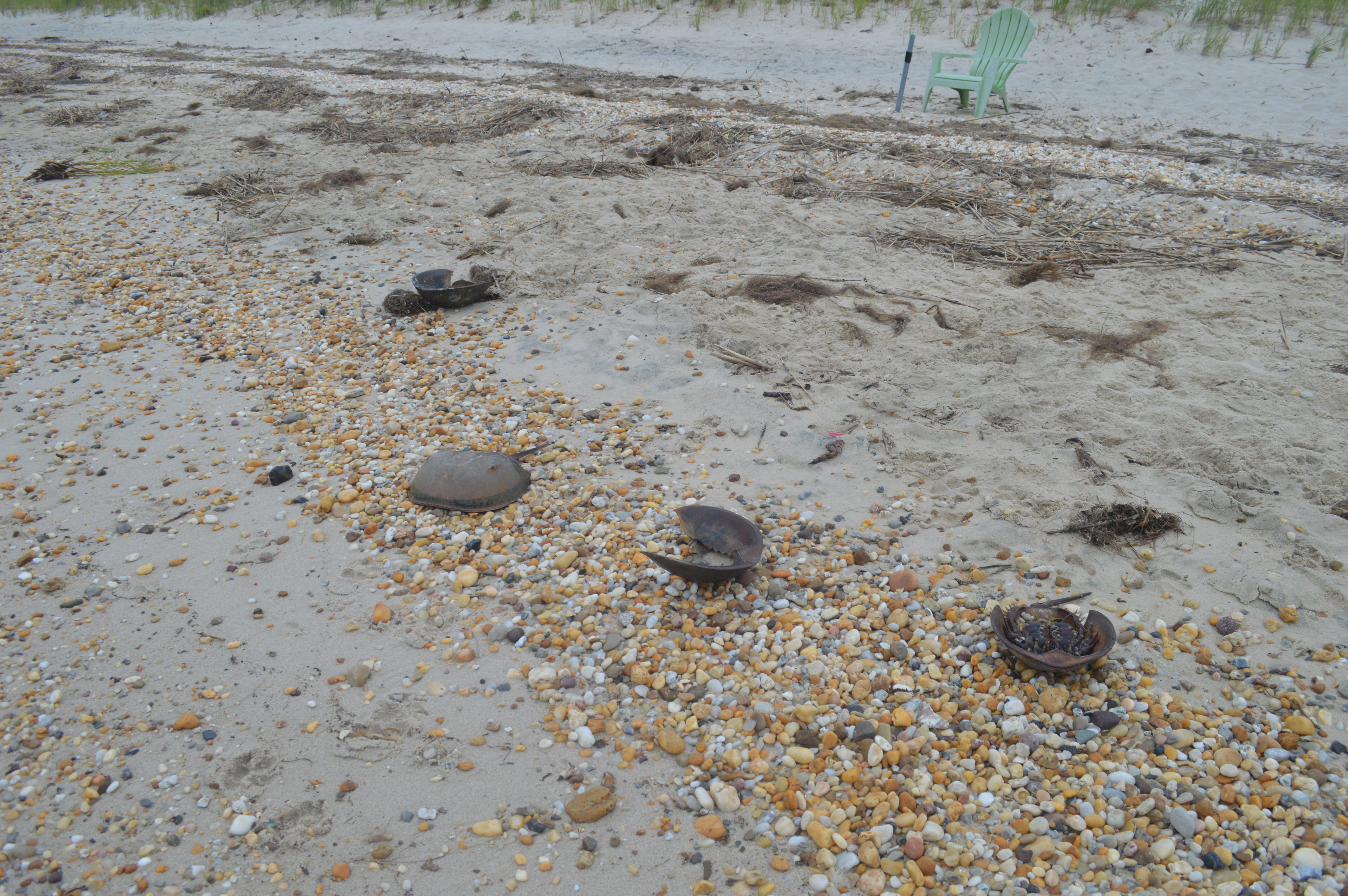
A beach can look untidy and still be doing exactly what a beach should do. The line of washed-up seaweed and plant fragments near the high-water mark has a name: wrack. Before clearing a space in it or filling a cleanup bag, it helps to understand what belongs there.
The practical approach is to leave natural wrack in place, remove ordinary litter only when it is safe, and give feeding wildlife room. Heavy accumulations, unfamiliar objects and posted warnings call for a different response: keep your distance and follow the beach manager’s guidance.
What is the wrack line?
Wrack is natural material washed onto the shore. It can include seaweed, seagrass and animal remains. The wrack line is the band where that material collects, often near the high-tide mark. It is a useful place to notice the connections between the water and the land, without picking anything up.
Florida State Parks’ account from Bahia Honda describes seagrass, algae, seeds, mangrove material, sponges, soft corals and shells among the things tides deliver. That is an example from a particular park, not a checklist of what every Florida beach contains. The photograph above shows a different shoreline, Slaughter Beach in Delaware; it illustrates wrack rather than present-day conditions at a Florida destination.
A small food web at your feet
At Bahia Honda, small crustaceans called amphipods shelter and feed among the stranded seagrass. Shorebirds then feed on them. The plant material gradually breaks down, returning nutrients to the beach and dune system. Florida State Parks also describes its role in stabilizing sand.
That helps explain why a smooth, freshly raked beach is not the only measure of a well-cared-for coast. FWC explains that mechanical removal of wrack reduces invertebrate populations, leaving less food for shorebirds. Material deposited higher on the beach also contributes to dune development. These are ecological functions, not a promise that a particular strip of wrack will prevent storm damage.
For a visitor, the useful change is one of attention: look for activity around the natural material before deciding that it needs to disappear.
Wrack or litter: what should you pick up?
A plastic bottle caught in seaweed does not become part of the natural habitat. FWC recommends leaving as much wrack as possible and removing human-generated debris by hand. The distinction is between removing litter and stripping away the surrounding natural material.
NOAA’s debris-handling guidance encourages removal of typical litter when doing so is safe and practical. Its equally useful rule is to leave unfamiliar items alone. Do not touch or move a suspicious container, chemical drum or other potentially hazardous object; report it to the appropriate local authorities or beach staff. Large debris is also a job for the responsible authorities.
On a casual walk, choose an easy piece of ordinary litter you can reach safely. There is no need to pull apart a pile of wrack to complete the job. If you want to do more, an organized cleanup offers a place to ask about local procedures and disposal before you start.
Watch without disturbing the birds
Pause well away from birds and let them continue feeding or resting. FWC asks visitors to keep their distance, walk around birds and never deliberately make them fly. Honor posted closures. Keep pets leashed where they are allowed, and do not approach bird colonies with a dog.
For a family outing, try a simple observation question: are the birds searching the wet sand, the dry sand or the washed-up material? Watch from your existing position. A closer photograph is not worth interrupting the behavior you came to see.
When to step away from seaweed
Ecological value does not make every accumulation a good place to sit or play. Florida Health’s sargassum guidance says organisms living in the seaweed can irritate skin. Decomposing sargassum releases hydrogen sulfide, which can irritate the eyes, nose and throat; people with asthma or other breathing conditions may be more sensitive.
The department advises avoiding touching or swimming near seaweed and leaving the affected area if irritation or breathing problems occur. Keep children supervised. This guidance concerns sargassum exposure; it does not identify every kind of wrack or certify swimming-water quality. Check current local advisories separately.
Plan a shore walk with room to notice
Make observation the activity, rather than arriving with a collection target. Use the Main Beach Park guide or the Little Talbot Island guide to review access, facilities and official condition links before a Northeast Florida outing. Those links are planning resources, not a forecast of wrack, birds or beach conditions.
Our fall beach-day article offers a broader planning checklist, and the dog-beach guide explains why pet rules need checking for the exact destination. Follow current signs and official notices when you arrive.
You do not have to take something home to have found something interesting. A few minutes spent watching the wrack line can turn an ordinary walk into a closer look at how a shoreline works.
Sources and scope
Source-checked October 3, 2026. The linked Florida State Parks, FWC, NOAA and Florida Health pages support the ecological, wildlife, cleanup and exposure guidance. Suggested observation activities are editorial recommendations. This article reports no firsthand field observations, current seaweed forecast or new beach-access findings.
Published and source-checked October 3, 2026. We favor original reporting, authoritative sources and clear limits over search-driven filler. Read our corrections policy or report an issue.