
Before you pack a mask, decide what you want to look at—and how you will get there. A beach where you can enter the water and a boat trip to a coral reef can share a park name while offering very different days.
At John Pennekamp Coral Reef State Park in Key Largo, the distinction is especially useful. Start with the Cannon Beach guide, then choose between a shore visit and an offshore excursion. Neither choice comes with a promise of clear water, wildlife sightings or safe conditions on your visit.
Name the shore experience you actually want
Florida State Parks describes Cannon Beach as the park's primary snorkeling beach. Artifacts from a 1715 Spanish shipwreck were placed underwater for visitors to view; the park also describes seagrass and possible marine-life sightings. That is a different proposition from booking a boat to the living coral reefs. See the park's official experiences and amenities.
Our planning suggestion: finish this sentence before choosing a destination: “I would be happy spending my time looking at ____.” If the answer is a particular offshore reef, confirm that the trip actually visits it. If the answer is an unhurried look at a shore habitat, ask about the designated entry area and what is realistically visible there. A general “snorkeling available” label cannot make that choice for you.
The park's snorkeling guide explains that mangroves and seagrass are habitats in their own right. Its advice includes moving gently, avoiding stirring up the bottom and giving wildlife space. Treat these as places to observe, rather than as a disappointing substitute for a reef—or as a guarantee that a named animal will appear.
For a reef trip, plan around the whole outing
The park links visitors to Coral Reef Park Company's snorkeling tours. The operator distinguishes the boat ride from time in the water, lists equipment rentals separately and says schedules and prices can change. It also advertises an in-water guide as an option on request: do not assume every booking includes one.
Before reserving, ask the operator these practical questions:
- Which type of site is planned, and what happens if conditions require a different destination or cancellation?
- What swimming ability and age requirements apply to everyone in the group?
- What is included: equipment, flotation, instruction and an in-water guide?
- How do you enter the water and climb back aboard? If you need assistance, what can that specific vessel and crew provide?
- What arrival time, total outing time and cancellation terms apply to your booking?
These are our booking questions, not a claim that every operator offers each service. A vessel's boarding arrangements also do not, by themselves, establish an accessible route into and out of the water.
Keep today's go-or-no-go decision separate
At Pennekamp, the managing authority states there are no lifeguards. Its beach rules also require a properly displayed diver-down flag for swimming or snorkeling outside designated swimming areas. Check the current designated area, posted instructions and applicable flag requirements with park staff before entering; the park's snorkeling guidance advises displaying a dive flag.
For either plan, ask about today's conditions and whether they match your ability. A shore entry should not be treated as automatically easy, and a tour reservation should not be treated as a safety clearance. If the answer is uncertain, keep the water activity optional. Our guide to clear water, clean water and swimming conditions explains why those are separate questions.
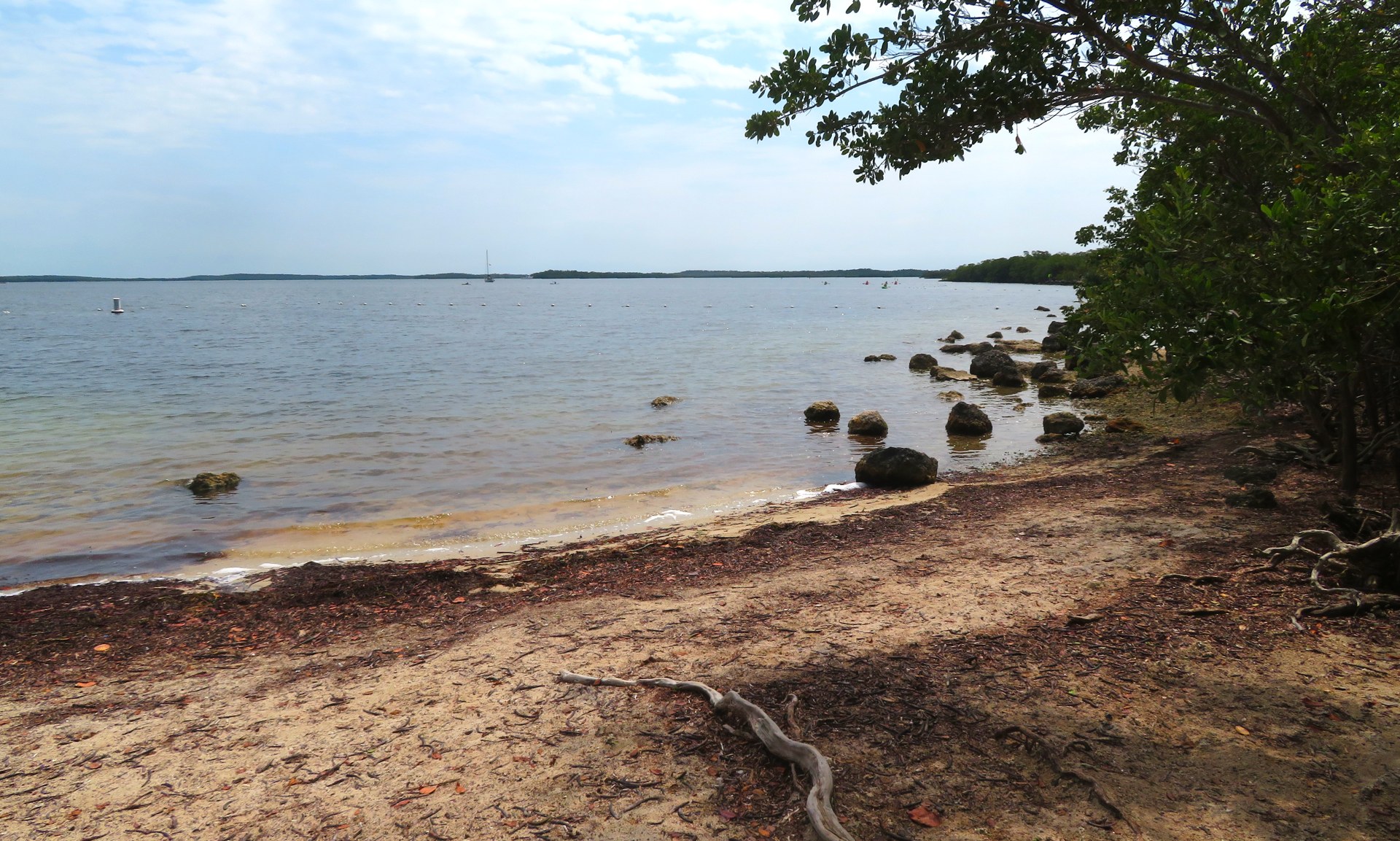
Do not use the archival photograph above to judge present visibility or water depth. It shows the shoreline, not an underwater route. This article provides no current water report and does not assess any reader's swimming ability.
Save two versions of the day
A useful plan should still work if the underwater part falls away. Write down these four decisions:
- The goal: shore habitat or a boat-accessed reef, with the exact beach or operator named.
- The commitment: a flexible shore visit or a booked outing with its own check-in and cancellation terms.
- The checks: current access and conditions, swimming ability, equipment, entry and exit, and the help each person needs.
- The fallback: a land-based visit you would still enjoy, or a different day. Do not make entering the water necessary to justify the trip.
Use the Cannon Beach planning details to orient your shore visit and the operator's current information to evaluate a boat trip. The better choice is the one whose actual experience fits your group—not the one with the broadest snorkeling label.
Sources and scope
Sources reviewed October 27, 2026: Florida State Parks: John Pennekamp experiences, snorkeling and beach rules; Florida State Parks: snorkeling habitats and conduct; and Coral Reef Park Company: its own tour and rental information.
The park and operator pages list different departure schedules and water-time estimates. Those details remain unresolved here; confirm the arrangements for your actual booking. We do not publish a departure count, current price or guaranteed reef time. The checklists and choice framework are editorial suggestions. This is one verified-location example, not a ranking of Florida snorkeling beaches or a report of current operations.
Published and source-checked October 27, 2026. We favor original reporting, authoritative sources and clear limits over search-driven filler. Read our corrections policy or report an issue.