
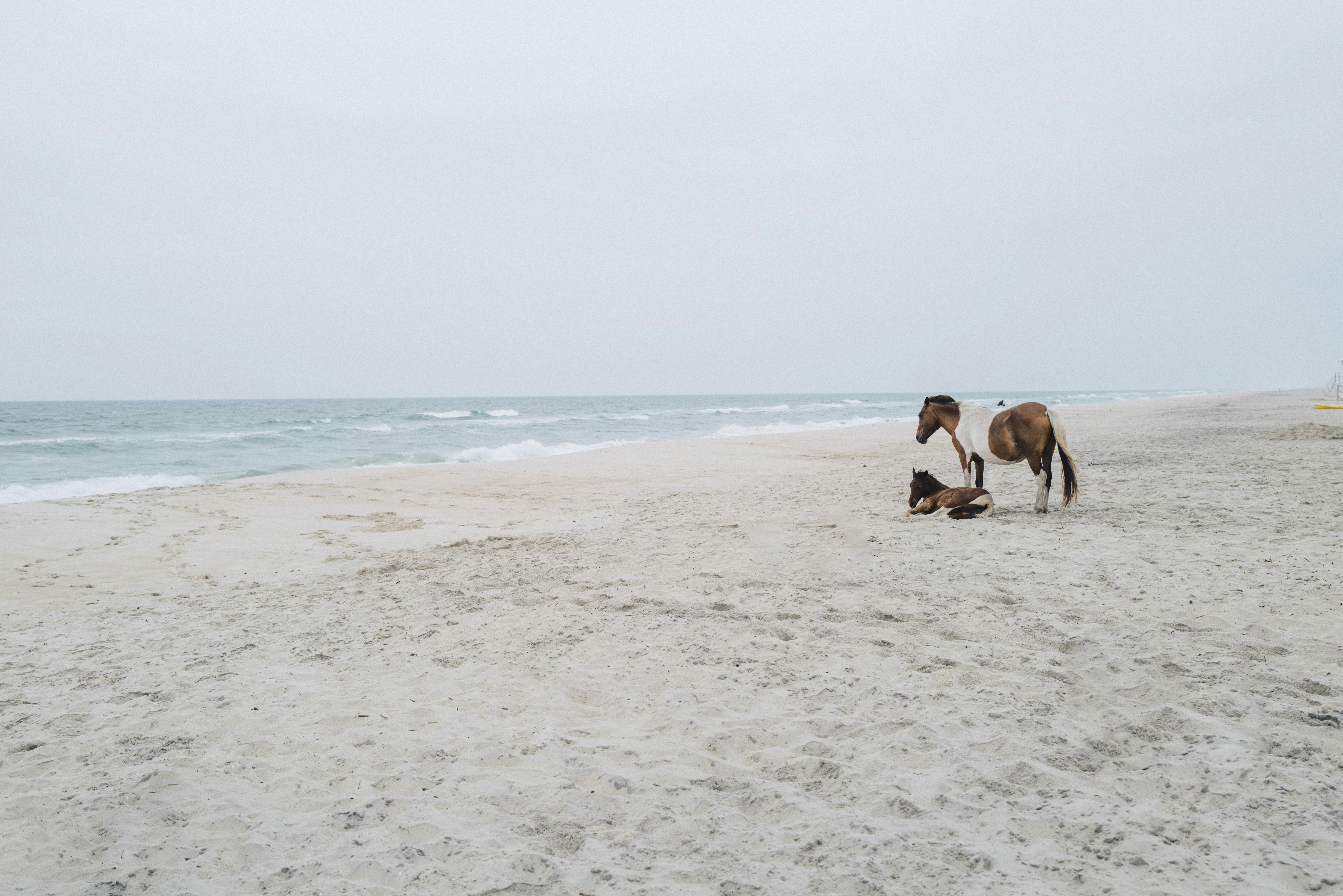
A shoreline photograph can sell the idea of waking beside the sea. It cannot tell you where a tent may go. Before booking an overnight beach trip, choose the sleeping arrangement as carefully as the beach: a designated campsite, a separate backcountry trip, or a room with a daytime beach visit.
That is a planning distinction, not a ranking. The right choice depends on how much equipment, carrying and uncertainty your party wants to manage. Use the beach guide to understand the shoreline, then use the campground authority and the individual booking record to plan the night.
Choose the overnight trip first
Write down what you actually want: ocean access during the day, a tent close to your vehicle, or a more involved walk-in experience. These are different requests. If a site description does not establish the distance, surface or vehicle access you need, ask before paying. A place name or a scenic picture cannot fill those gaps.
For a first trip, our editorial suggestion is to reduce the number of moving parts. Choose a clearly described site, decide who carries what, and keep a workable alternative if the available site does not fit your group. A nearby overnight stay with a beach visit can still deliver the outing you wanted.
Keep the location exact: an Assateague example
Start with our Assateague Maryland ocean beach guide. The example here concerns National Park Service camping at Assateague Island National Seashore. It is not a statement about every campground or shoreline on the island.
The NPS campground regulations restrict overnight sleeping and camping to designated campsites. They also restrict the Oceanside and Bayside campgrounds to registered campers. A daytime shoreline visit therefore does not establish a place to spend the night. Follow the designated site assignment rather than choosing a patch of beach from a photograph.
Resolve the reservation before traveling
NPS publishes two different descriptions of the March 15–November 15 reservation period. Its campgrounds and reservations page, last updated July 8, 2023, says reservations are required; the regulations page, updated August 20, 2026, says strongly encouraged. Both describe booking six months ahead.
We have not resolved that wording difference. For an early-November trip, reserve a suitable site and confirm your arrival instructions with the park; do not treat the softer wording as a promise of a walk-up space. The published booking window is not a report of availability for your dates.
Before choosing a developed site, open the official booking listing and check the alerts for your loop and dates. If your plans depend on keeping the car beside the tent, select a drive-in site and check its equipment limits before you pay.
For a backcountry trip, the whole party must visit the Maryland ranger station on the departure day. Permits are issued first come, first served. NPS lists closures for all backcountry sites on November 13–15 and November 27–December 12, 2026. Check the park’s closure notice and the check-in cutoff for your route before setting out.
Plan arrival and setup as separate steps
The NPS regulations give a noon check-in and 11 a.m. check-out. They also describe a late-arrival process. Save the instructions that apply to your reservation before leaving home, and confirm anything unclear with the park. Allow time to find the assigned site, understand its boundaries and set up before starting the beach part of the trip.
Use the individual site listing to check equipment limits and facilities rather than assuming every loop offers the same arrangement. Make a short list of your actual needs—tent footprint, vehicle or trailer dimensions, toilet access and carrying distance—and match those to documented site details. An unanswered question remains unanswered until the manager confirms it.
Five questions before you book
- Which authority manages this exact campground, and which site are you reserving?
- Does the site fit your equipment and the people traveling?
- What registration and late-arrival instructions apply?
- What must you bring, store and carry between vehicle, campsite and beach?
- What is your alternative if availability, weather or the site layout does not suit the trip?
Then plan the daytime outing separately. Our guides to checking the route from parking to sand and planning a shorter beach afternoon can help frame those questions. A campsite booking answers where you may sleep; it does not establish today's water conditions or every part of the route.
Sources and scope
Reviewed November 2, 2026: National Park Service campgrounds and reservations and campground regulations. The reservation-language discrepancy is retained above. These are published rules and procedures, not a live vacancy, closure or weather check. The planning checklist and suggested approach are editorial interpretation; no statewide camping permission or campsite suitability rating is implied.
Published and source-checked November 2, 2026. We favor original reporting, authoritative sources and clear limits over search-driven filler. Read our corrections policy or report an issue.